This article has been updated to reflect 2026 data and recent developments.
Community college grants remain one of the most effective ways to reduce or eliminate the cost of higher education. Unlike loans, grants do not need to be repaid, making them especially valuable for students seeking affordable pathways to degrees or certificates.
In 2026, grant funding continues to evolve, with expanded eligibility discussions, increased federal investment, and new workforce-focused initiatives shaping how students pay for community college.
What Are Community College Grants?
Community college grants are need-based or merit-based financial aid awards that help cover tuition, fees, and sometimes living expenses.
They typically come from:
- Federal government programs
- State education agencies
- Colleges themselves
- Private organizations and nonprofits
Most students begin by completing the FAFSA, which determines eligibility for federal and many state grants.
Federal Grants for Community College Students
Pell Grants (Largest Source of Aid)
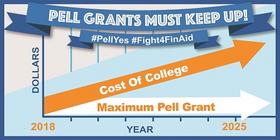
The Federal Pell Grant remains the cornerstone of community college funding.
- Maximum award (2025–2026): up to $7,395 annually
- Over $33 billion distributed to more than 6.3 million students in 2024
- Roughly 25% of all community college students receive Pell Grants
Pell Grants are awarded based on financial need, household income, and enrollment status.
Community colleges serve a high proportion of low-income students, which is why these institutions receive a significant share of Pell funding. About 1.6 million community college students receive Pell Grants annually.
👉 Learn more about affordability in our guide to https://www.communitycollegereview.com/avg-tuition-stats/national-data
Federal Supplemental Educational Opportunity Grants (FSEOG)
FSEOG provides additional funding for students with exceptional financial need.
- Typically ranges from $100 to $4,000 per year
- Funds are limited and awarded on a first-come basis
- Not all community colleges participate
State Grants and Free College Programs
Many states have expanded “last-dollar” or “free community college” programs since 2024.
Key Trends (2024–2026)
Increased state grant funding, averaging about $1,280 per student annually
- Expansion of tuition-free community college programs in multiple states
- Workforce-focused grants tied to high-demand careers
These programs often cover tuition after federal aid is applied, meaning students may pay little to nothing out of pocket.
👉 Explore how free programs work: https://www.communitycollegereview.com/blog/free-tuition-could-come-to-a-community-college-near-you
Institutional and Local Grants
Many community colleges offer their own grants funded through:
- Endowments
- Alumni donations
- Local partnerships
These may include:
- Emergency grants
- Program-specific funding (e.g., nursing, technical trades)
- Completion grants for students close to graduation
To see examples, browse a specific school profile such as: https://www.communitycollegereview.com/california/los-angeles
Emerging Trends in Community College Grants (2026)
1. Expansion of Workforce Pell Grants
Legislation under consideration may allow Pell Grants to cover short-term, non-credit workforce programs, such as healthcare certifications and skilled trades.
2. Funding Pressure and Policy Changes
Federal projections indicate potential funding gaps in the Pell Grant program, with a shortfall estimated at $2.7 billion by 2026. This could influence future award levels or eligibility rules.
3. Increased Focus on Career-Aligned Aid
Grants are increasingly tied to:
- High-demand industries
- Credential completion
- Workforce outcomes
4. FAFSA Simplification Impact
Recent FAFSA changes have made the application process easier, increasing the number of eligible students and expanding access to grants.
How to Apply for Community College Grants
Step-by-Step Process
Complete the FAFSA at https://studentaid.gov
- Review your Student Aid Index (SAI)
- Check state-specific grant deadlines
- Apply for institutional scholarships and grants
- Monitor your college financial aid portal
Applying early is critical, as some grants are limited.
Grant vs. Loan: Why Grants Matter
| Feature | Grants | Loans |
|---|---|---|
| Repayment | Not required | Required with interest |
| Eligibility | Need-based or merit | Credit or federal criteria |
| Financial impact | Reduces total cost | Increases long-term debt |
Grants significantly reduce student debt, which is one reason community colleges remain one of the most cost-effective education options.
Tips to Maximize Your Grant Aid
Submit FAFSA as early as possible
- Maintain satisfactory academic progress
- Enroll at least part-time or full-time when possible
- Apply for multiple grant sources
- Reapply every academic year
Final Thoughts
Community college grants continue to play a vital role in making higher education accessible. With rising federal investment, expanded state programs, and potential policy changes on the horizon, students in 2026 have more opportunities than ever to attend college at a low cost, or even for free.
Understanding your options and applying early can make a significant difference in how much you pay for your education.