Updated
|
Work-Study Opportunities for Spring 2026 Guide
Learn how to secure work-study opportunities for Spring 2026 before classes start, including timelines, tips, and eligibility guidance.

Work-Study Opportunities for Spring 2026: How to Find a Job Before Classes Start

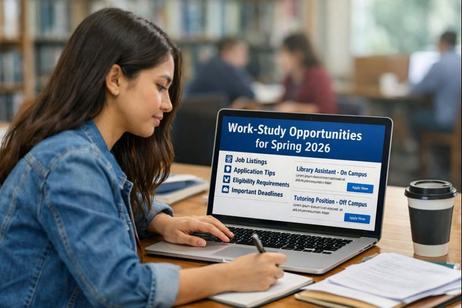
For many college students and families, work-study opportunities for Spring 2026 will play a critical role in making higher education affordable. While work-study programs are often associated with the fall semester, an increasing number of students rely on work-study opportunities for Spring 2026 to cover living expenses, reduce student loan borrowing, and gain meaningful work experience.

Planning ahead is essential. Students who wait until classes begin often find that the best work-study opportunities for Spring 2026 are already filled. By understanding how the program works and taking early action, students can position themselves for success well before the spring term starts.

This guide explains what families should know about work-study opportunities for Spring 2026, where to find them, and how to secure a position before classes begin.

Understanding Work-Study Opportunities for Spring 2026

The Federal Work-Study Program is a need-based financial aid program administered by colleges and universities. It allows eligible students to earn money through part-time employment while enrolled in school. Work-study opportunities for Spring 2026 typically include both on-campus and approved off-campus positions, often related to community service or a student’s academic interests.

While funding is awarded annually through the Free Application for Federal Student Aid, many institutions allocate remaining funds to spring-only students or to those whose circumstances have changed. As a result, work-study opportunities for Spring 2026 remain available, but competition can be strong.


. . .read more

Financial Aid for International Students at Community Colleges

Updated
|
Financial Aid for International Students at Community Colleges
Learn what financial aid for international students at community colleges is actually available in 2026, including scholarships, limits, and strategies.

Financial Aid for International Students at Community Colleges: What’s Actually Available?

Community colleges continue to attract a growing number of international students seeking affordable access to U.S. higher education. Lower tuition, flexible admissions, and clear transfer pathways make these institutions appealing. Yet one question consistently arises for families abroad: what financial aid for international students at community colleges is actually available?

The short answer is that options exist, but they are limited, fragmented, and often misunderstood. Unlike U.S. citizens and permanent residents, international students face significant restrictions on federal aid. Understanding what financial aid for international students at community colleges really looks like in 2026 requires separating myths from reality, and planning accordingly.

This guide explains the true landscape of financial aid for international students at community colleges, highlights realistic funding sources, and offers practical strategies for families navigating this process.

Why Financial Aid Works Differently at Community Colleges

Community colleges operate under a distinct funding model. They rely heavily on state and local appropriations, which are designated primarily for residents. As a result, financial aid for international students at community colleges is not a core institutional priority, even though international enrollment benefits campuses culturally and academically.

Most international students attend community colleges on F-1 visas. This visa status alone disqualifies them from most forms of government-based assistance, shaping the entire financial aid picture.

Federal Financial Aid: Not an Option

One of the most persistent misconceptions is that

. . .read more

Part-Time vs. Full-Time Enrollment in 2025: Which Is Better?

Updated
|
Part-Time vs. Full-Time Enrollment in 2025: Which Is Better?
Explore part-time vs. full-time enrollment in 2025, comparing costs, flexibility, outcomes, and goals to help students choose the right path.

Part-Time vs. Full-Time Enrollment in 2025: Which Is Better for Your Goals?

Choosing between part-time vs. full-time enrollment is one of the most consequential decisions students and families make in 2025. The question is no longer simply about speed to graduation. Instead, part-time vs. full-time enrollment reflects broader considerations such as affordability, career readiness, mental health, family responsibilities, and long-term educational outcomes.

Across private schools, boarding schools, community colleges, and universities, part-time vs. full-time enrollment patterns continue to shift. More students are blending work and school, returning as adult learners, or choosing flexible pathways that align with evolving personal goals. At the same time, full-time enrollment remains the traditional and often preferred route for students seeking immersive academic and campus experiences.

This guide examines part-time vs. full-time enrollment in 2025, outlining key differences, benefits, drawbacks, and strategic considerations to help families and students make informed choices.

Defining Part-Time vs. Full-Time Enrollment

Understanding part-time vs. full-time enrollment begins with clear definitions, which vary slightly by institution.

Full-time enrollment typically means:

  • K–12 and boarding schools: Enrollment in the full academic program during the standard school day and year.

  • Colleges and universities: Usually 12 or more credit hours per semester.

Part-time enrollment typically means:

  • K–12 settings: Enrollment in selected courses or reduced schedules, sometimes paired with homeschooling or online learning.

  • Colleges and

. . .read more

How Community Colleges Use AI Tools to Support Student Success

Updated
|
How Community Colleges Use AI Tools to Support Student Success
Explore how community colleges are using AI tools in 2025 to improve advising, learning, retention, and student success.

How Community Colleges Are Using AI Tools to Support Student Success in 2025

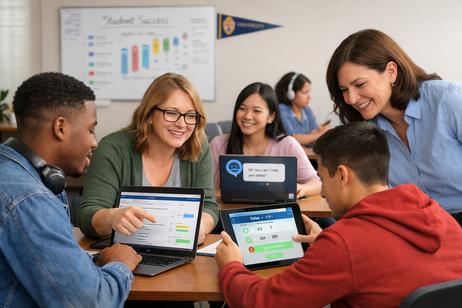
Artificial intelligence has moved from an experimental technology to a practical tool across higher education. In 2025, community colleges are among the most active adopters of AI tools, using them to address persistent challenges such as retention, equity gaps, academic preparedness, and workforce alignment. With open access missions and diverse student populations, community colleges are uniquely positioned to benefit from AI tools that personalize learning, streamline services, and support student success at scale.

This article examines how community colleges are using AI tools in 2025, the benefits and risks of adoption, and what students, parents, and educators should know as these technologies become embedded in everyday campus life.

Why AI Tools Matter for Community Colleges

Community colleges serve nearly half of all undergraduate students in the United States. Many learners balance work, family responsibilities, and financial constraints, making timely support critical. AI tools help colleges respond to these realities by providing:

  • Scalable student support without proportional staffing increases

  • Real time insights into student progress and risk factors

  • Personalized academic and career guidance

  • Faster access to services such as advising, tutoring, and registration

According to national research shared by the Community College Research Center, institutions that combine technology with human centered design are better positioned to improve completion

. . .read more

Nontraditional Student’s Guide to Community College 2025

Updated
|
Nontraditional Student’s Guide to Community College 2025
Comprehensive guide for nontraditional students at community college with updated tuition, support, careers, and success strategies for 2025.

A Nontraditional Student’s Guide to Community College

Community college remains a vital pathway for millions of learners across the United States, especially for nontraditional students managing work, family, finances, and other life responsibilities while pursuing education. This guide updates key 2025 data, trends, and practical insights for parents, students, educators, and policymakers considering community college options.

What Is a Nontraditional Student?

A nontraditional student is typically defined as someone who does not follow the traditional college trajectory of enrolling full time soon after high school graduation. Common characteristics include:

  • Being age 25 or older when first enrolling

  • Working part time or full time while attending college

  • Having children or other dependents

  • Delaying entry into higher education or returning after a gap

  • Enrolling part time rather than full time

Nontraditional learners often juggle competing responsibilities and require flexible academic and financial support to succeed.

Community College Enrollment Today

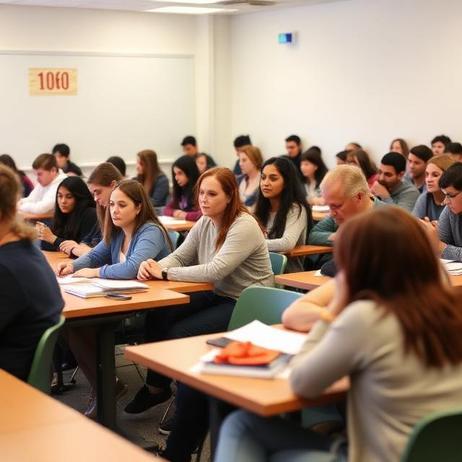
Community colleges educate a significant share of U.S. undergraduates. As of 2025, these institutions enroll roughly 10.5 million students across credit and noncredit programs, reflecting a rebound from previous declines and continued strength relative to four-year institutions. Head-count enrollment grew by about 3.9 percent from fall 2023 to fall 2024, driven by both younger and adult learners.

More broadly, community colleges account

. . .read more

Recent Articles

Test Article, Image and Content
Test Test Test Test Test Test Test Test Test Test Test Test Test Test Test Test Test Test Test Test Test Test Test Test Test Test Test Test Test Test Test Test Test Test Test Test Test Test Test Test Test Test Test Test Test Test Test Test Test Test Test Test Test Test Test Test Test Test Test Test Test Test Test Test Test Test Test Test Test Test Test Test Test Test Test Test Test Test Test Test Test Test Test Test Test Test Test Test Test Test Test Test Test Test Test Test Test Test Test Test Test Test Test Test Test Test Test Test Test Test Test Test Test Test Test Test Test Test Test Test Test Test Test Test Test Test Test Test Test Test Test Test Test Test Test Test Test Test Test Test Test Test Test Test Test Test Test Test Test Test Test Test Test Test Test Test Test Test Test Test Test Test Test Test Test Test Test Test Test Test Test Test Test Test Test Test Test Test Test Test Test Test Test Test
Faith Formation Integrated Across Subject Areas
Explore faith formation integrated across subject areas and its impact on curriculum, student outcomes, and community colleges.
Parish-Based Governance Models in Catholic Schools
Explore parish-based governance models in Catholic schools and their impact on leadership, funding, and community colleges.