Updated
|
Future of Community College Education 2025
Key trends shaping community college education in 2025, including enrollment, workforce alignment, AI adoption, cost, and equity.

Future of Community College Education: Trends to Watch in 2025

Community colleges remain a cornerstone of the U.S. postsecondary education system in 2025, providing accessible pathways to careers, transfer opportunities to four-year institutions, and flexible learning options for students of all ages. As the sector continues to evolve in response to demographic shifts, labor market demands, technological change, and shifting policy landscapes, families, students, educators, and policymakers must understand the forces shaping two-year colleges. This updated article examines the most important trends in community college education in 2025 and what they mean for access, affordability, and outcomes.

Enrollment Patterns: Growth and Demographic Shifts

One of the most significant developments in 2025 is the stabilization and growth in community college enrollment after years of fluctuation. Preliminary data from the National Student Clearinghouse Research Center indicate that total undergraduate enrollment grew in fall 2025, with community colleges leading with larger increases than other postsecondary sectors.

Community colleges continued to attract a diverse mix of learners. Younger students, including recent high school graduates and dual-enrolled students, account for a meaningful share of enrollment gains. Dual enrollment, where high school students take college courses for credit, contributes significantly to head counts in many states, with early estimates showing that high school students represent a large portion of total community college enrollment.

At the same time, adult learners remain a key constituency. Programs like New York’s SUNY Reconnect, which offers free tuition to adults without bachelor’s degrees,


. . .read more

Community College Success Rates 2025: Outcomes & Trends

Updated
|
Community College Success Rates 2025: Outcomes & Trends
Updated 2025 analysis of community college success rates, completion, transfer, costs, enrollment, and strategies that shape student outcomes.

Success Rates: How Community Colleges Measure Up (2025)

Community colleges remain a vital gateway to higher education and workforce preparation in the United States, serving millions of learners with diverse goals and backgrounds. As we reach 2025, the conversation around community college success has evolved, shaped by changing enrollment patterns, shifting federal and state policies, and renewed focus on completion and workforce alignment. In this updated report, we examine the most recent data on success rates across community colleges, what they mean for students and families, and how institutions are responding to challenges and opportunities in 2025.

What Do We Mean by “Success Rates”?

In higher education, success rates encompass a range of outcomes, including graduation, transfer to four-year institutions, persistence from term to term, and attainment of workforce credentials. Traditional metrics like graduation within three or six years provide important benchmarks, but contemporary analyses also consider short-term credentials, transfer outcomes, and employment post-completion.

Most community college students enroll part-time, work while studying, or balance family and life obligations. As a result, success metrics that rely solely on time-to-degree can understate real achievement. Broader success measures include persistence, credential attainment, and career relevance.

Enrollment Trends and the Student Body in 2025

After years of enrollment declines following the COVID-19 pandemic, community colleges have seen a meaningful rebound. Across the sector, public two-year colleges reported enrollment increases of approximately 4.0% in most recent data, outpacing four-year institutions in year-over-year

. . .read more

Community Colleges in 2025: Combating Stereotypes with Impact

Updated
|
Community Colleges in 2025: Combating Stereotypes with Impact
Updated insights on how community colleges are dispelling myths, growing enrollment, and expanding pathways in 2025.

Second Rate? Community Colleges Fight Stereotypes in 2025

Community colleges have long been burdened with stereotypes portraying them as “second-rate” options for higher learning. Yet in 2025, these institutions are defying outdated narratives, dramatically reshaping public perception, and reinforcing their roles as vital hubs of accessibility, workforce readiness, and upward socioeconomic mobility. This updated review revisits common myths, incorporates the newest data, and highlights the real achievements and evolving landscape of community colleges today.

The Myth of the “Fallback” Option

One of the most enduring stereotypes is that community college is simply a fallback for students who could not gain admission to a four-year college. While this remains a perception among some families and counselors, the data tell a far more strategic story.

Rising college costs, mounting student debt, and shifting workforce demands are making community colleges a deliberate first choice for many students. In-district tuition and fees at public two-year colleges average about $3,890 per year in 2025, a dramatically lower figure than four-year institutions, where annual costs now typically exceed $10,000. This affordability makes community colleges an intelligent financial decision, not a compromise. Community College Review

In addition to financial considerations, community colleges now offer robust transfer pathways. According to the latest research, transfer students from community colleges successfully complete bachelor’s degrees at rates that underscore the legitimacy of this choice. Expert advisors and admissions officers increasingly recognize community college readiness as equal to many university

. . .read more

2025 FAFSA Changes Explained for Community College Students

Updated
|
2025 FAFSA Changes Explained for Community College Students
A comprehensive guide to 2025 FAFSA changes, what community college students must know, new eligibility rules, timelines, and tips to maximize federal aid.

2025 FAFSA Changes Explained: What Community College Students Must Know Before Applying

The Free Application for Federal Student Aid (FAFSA) remains the foundation of federal student aid eligibility, including grants, work-study, and loans for community college students. For the 2025–26 academic year, the FAFSA system continues to evolve under the FAFSA Simplification Act, introducing major changes to how students apply and how eligibility is calculated. Whether you are a first-time applicant, a returning student, or a parent helping your student prepare, this guide breaks down what you need to know before completing the 2025 FAFSA.

Introduction to Key 2025 FAFSA Changes

Federal student aid received its most significant overhaul in decades, beginning with the 2024–25 award year, and many of those transformations carry into 2025. These changes aim to simplify the application process, expand access to aid like the Pell Grant, and create a more transparent eligibility system for applicants.

Key shifts for 2025 include:

  • A streamlined application with fewer questions.

  • Replacement of the Expected Family Contribution (EFC) with the Student Aid Index (SAI).

  • Updated deadlines and processing expectations.

  • Expanded eligibility criteria for federal grant programs. U.S. Department of Education

Understanding these changes early can help community college students boost their chances of securing need-based aid and avoid common filing pitfalls.

What Changed in the FAFSA

. . .read more

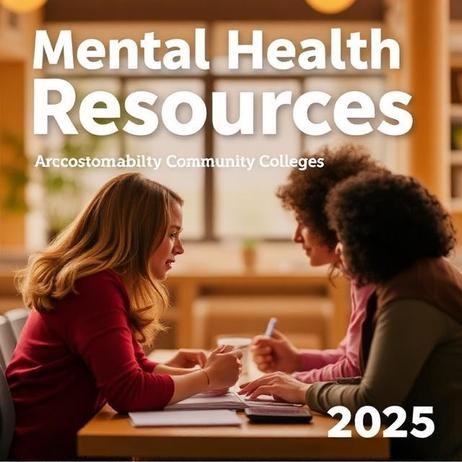
Mental Health Resources at Community Colleges 2025

Updated
Mental Health Resources at Community Colleges 2025
A 2025 review of mental health resources at community colleges, covering counseling services, teletherapy, funding trends, and best practices.

Mental Health Resources at Community Colleges: Updated 2025 Review

Mental health resources at community colleges have become a defining issue in higher education. As enrollment patterns shift, student demographics diversify, and mental health needs grow more complex, mental health resources at community colleges are no longer supplemental services. They are the core student success infrastructure.

In 2025, mental health resources at community colleges reflect a sector responding to increased anxiety, depression, trauma, housing insecurity, and academic stress among students. Parents, students, and educators increasingly evaluate mental health resources at community colleges when assessing institutional quality, retention potential, and overall student well-being.

This updated review examines how mental health resources at community colleges are structured, funded, and delivered in 2025, highlighting national trends, effective practices, and areas still needing improvement.

Why Mental Health Resources at Community Colleges Matter More Than Ever

Community colleges serve nearly half of all undergraduate students in the United States. Unlike residential four-year campuses, community colleges enroll higher percentages of:

  • First-generation college students

  • Adult learners balancing work and family

  • Low-income students

  • Students from historically underserved communities

These populations often experience elevated stress levels, making mental health resources at community colleges essential rather than optional.

According to the American College Health Association, anxiety and depression remain the most commonly reported impediments to academic performance among college students. For community college students, access gaps make mental health resources at community colleges a frontline defense against attrition.

Common Types of Mental Health Resources at Community Colleges

Mental health

. . .read more

Recent Articles

Test Article, Image and Content
Test Test Test Test Test Test Test Test Test Test Test Test Test Test Test Test Test Test Test Test Test Test Test Test Test Test Test Test Test Test Test Test Test Test Test Test Test Test Test Test Test Test Test Test Test Test Test Test Test Test Test Test Test Test Test Test Test Test Test Test Test Test Test Test Test Test Test Test Test Test Test Test Test Test Test Test Test Test Test Test Test Test Test Test Test Test Test Test Test Test Test Test Test Test Test Test Test Test Test Test Test Test Test Test Test Test Test Test Test Test Test Test Test Test Test Test Test Test Test Test Test Test Test Test Test Test Test Test Test Test Test Test Test Test Test Test Test Test Test Test Test Test Test Test Test Test Test Test Test Test Test Test Test Test Test Test Test Test Test Test Test Test Test Test Test Test Test Test Test Test Test Test Test Test Test Test Test Test Test Test Test Test Test Test
Faith Formation Integrated Across Subject Areas
Explore faith formation integrated across subject areas and its impact on curriculum, student outcomes, and community colleges.
Parish-Based Governance Models in Catholic Schools
Explore parish-based governance models in Catholic schools and their impact on leadership, funding, and community colleges.