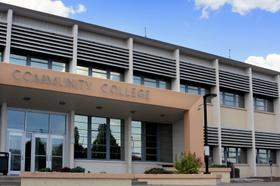
For many students and families planning for higher education, the assumption has long been straightforward: a four-year university is the “default” path after high school. However, in 2026, that assumption is being increasingly challenged. Rising tuition costs, evolving transfer agreements, and more flexible academic pathways are prompting students to reconsider starting at a community college instead of a four-year university as a strategic and financially sound beginning.
While community colleges are often associated with affordability alone, that is only part of the story. In reality, they offer a range of hidden benefits that extend far beyond cost savings, including academic flexibility, improved transfer outcomes, stronger career readiness, and reduced long-term financial risk.
This article explores those lesser-known advantages and why community colleges are becoming a first-choice option rather than a fallback.
A More Affordable Entry Point to Higher Education
The most widely recognized advantage of community college is affordability, but its impact is often underestimated.
According to the National Center for Education Statistics, tuition and fees at public two-year institutions remain significantly lower than at public four-year universities, even as costs rise across the board. You can review national tuition trends through the NCES Fast Facts database.
Starting at a community college instead of a four-year university can reduce total degree costs by tens of thousands of dollars, especially for students who complete their first two years locally before transferring.
Key financial advantages include:
- Lower tuition per credit hour
- Reduced housing and living expenses
- Lower